
Cornea Treatment
Specialized corneal treatments
for optimal eye health and clarity
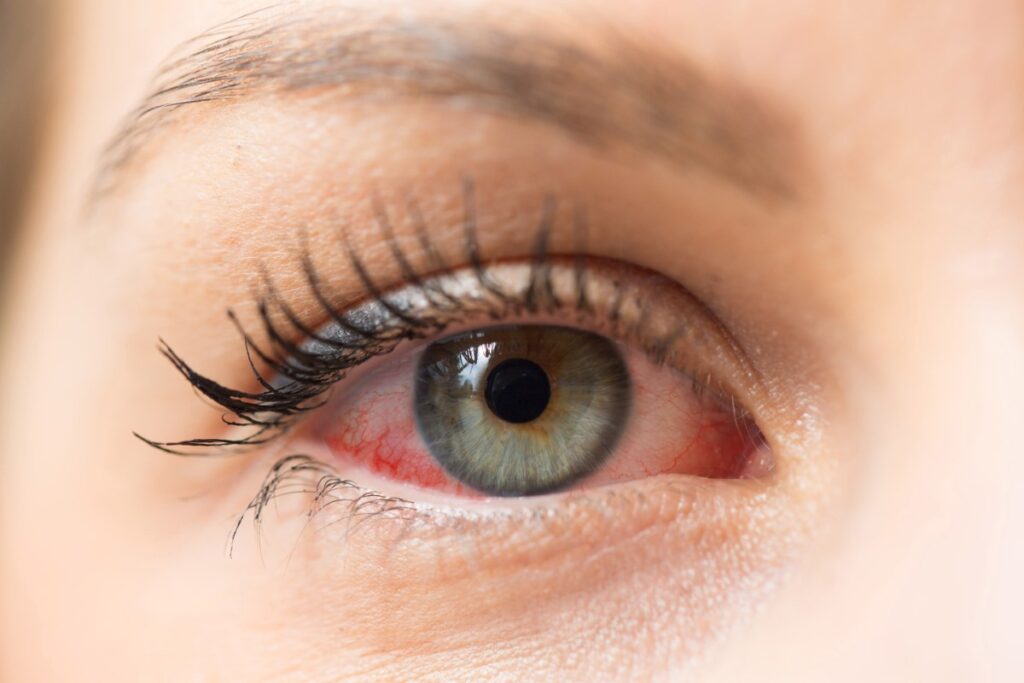
What is Cornea Treatment?
The cornea is the clear front layer of your eye that helps focus light for clear vision. If it becomes infected, injured, or develops a disease like keratoconus, your vision can become blurry or distorted. Cornea treatments include medicines, minor procedures, or surgeries like corneal transplants, depending on the problem, to restore or protect your sight.
Common Symptoms of Corneal Problems
- Blurry or hazy vision
- Redness or eye pain
- Excessive tearing or watering
- Light sensitivity
- A feeling that something is stuck in your eye
- Swelling or visible white spots on the cornea
- Sudden change in vision or vision loss


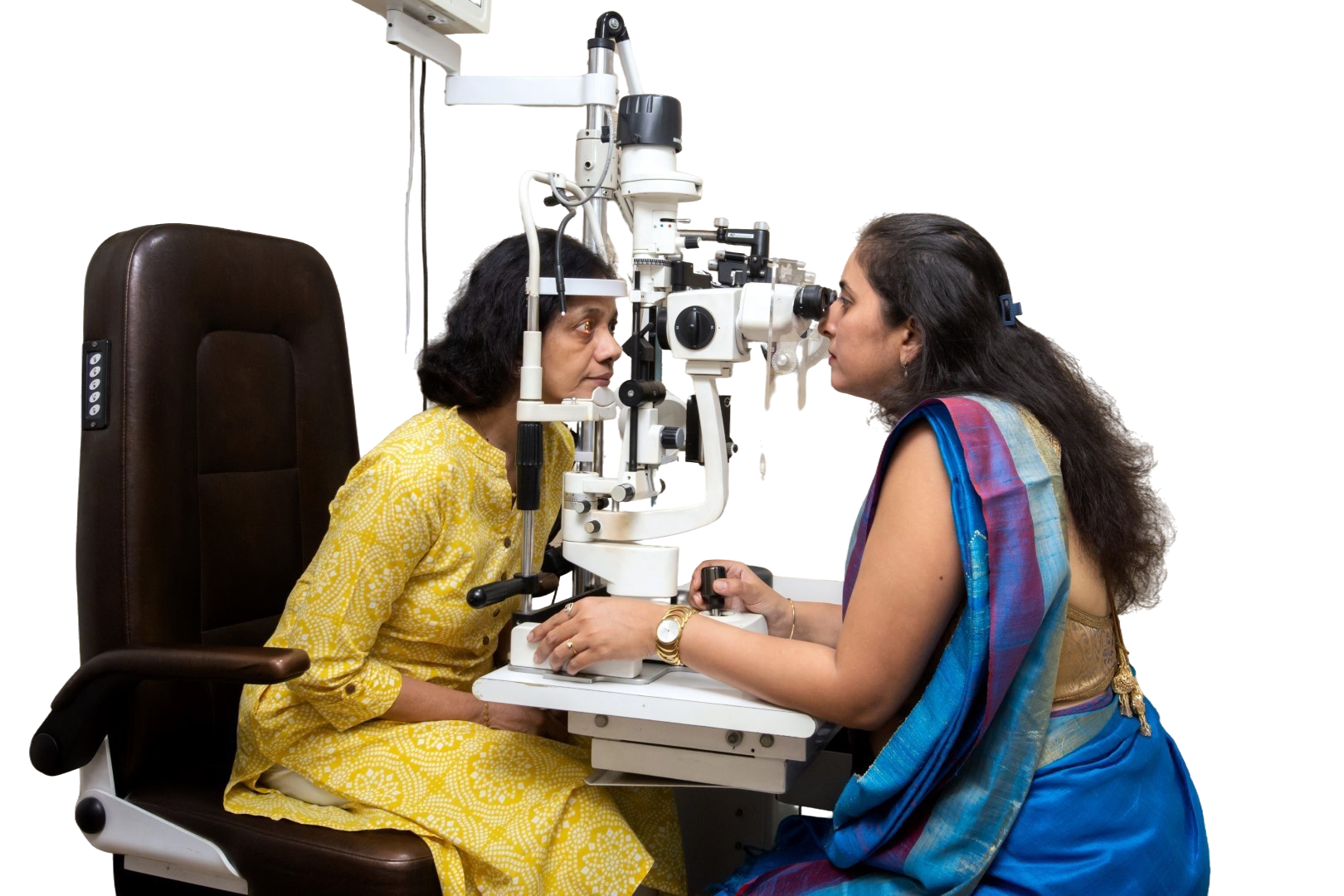
When to See a Doctor?
If you notice sudden changes in your vision, discomfort, or ongoing redness in your eyes, see an eye specialist without delay. Timely diagnosis and treatment of corneal issues can help prevent permanent damage or vision loss.
Need help with your eyes?
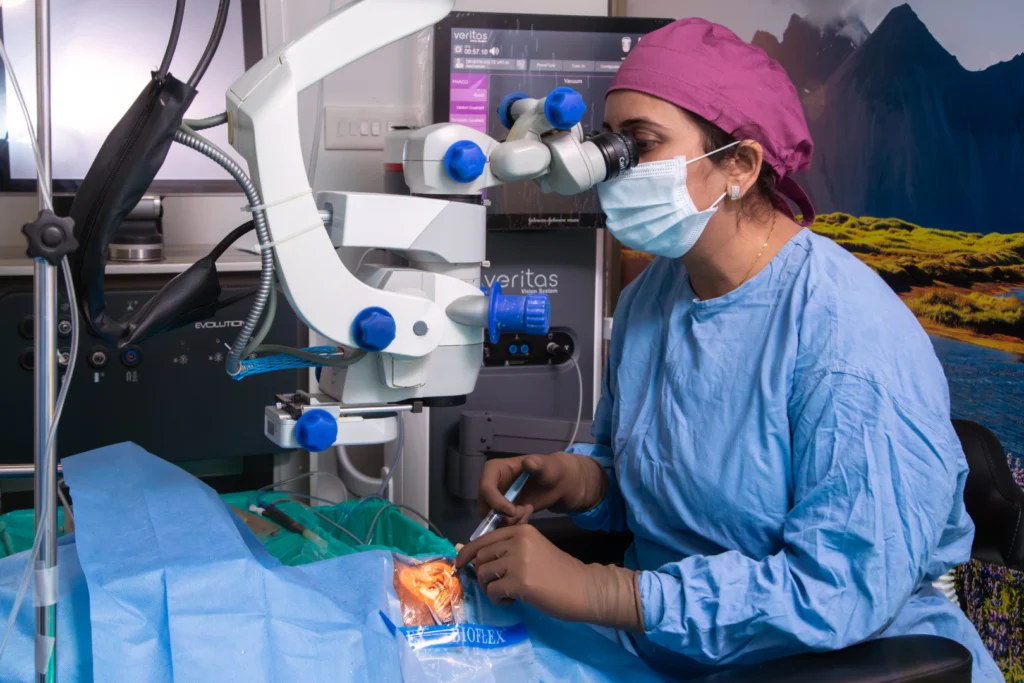
Our Treatment Approach
- At Poona Eye Care, our cornea specialists are trained to diagnose and treat a variety of corneal issues, from minor infections to complex degenerations.
- Every consultation starts with a thorough slit lamp exam, corneal topography, pachymetry (which measures corneal thickness), and OCT to check cell health.
- This helps us accurately assess conditions like keratoconus, corneal scars, dystrophies, ulcers, and dry eye disease.
Chosen by Patients.
Trusted for Outcomes.
- Dedicated cornea specialists with experience in medical and surgical care
- Access to modern diagnostics, including topography, tomography, and endothelial analysis
- Expertise in treating keratoconus and complex corneal infections
- Patient-first approach that emphasizes comfort, education, and long-term vision health
- Trusted by referring doctors and patients across Pune for advanced corneal care

FAQs
What is the cornea and why is it important?
The cornea is the clear, curved front surface of your eye. It helps focus light into the eye, accounting for nearly 70% of your focusing power.
What common problems can affect the cornea?
- Injuries: Small scratches usually heal on their own. Deeper injuries may cause pain, redness, blurry vision, or sensitivity to light. See a doctor if these symptoms occur.
- Allergies: Pollen and dust can make your eyes red, itchy, and watery. Allergy eye drops usually help.
- Keratitis (inflammation / infection): This can be caused by overusing contact lenses or by infection. Mild cases need drops; serious cases may require stronger medicine.
- Dry eyes: This happens when your eyes don’t make enough tears. It can cause stinging, dryness, or blurry vision. Mild cases improve with lubricating drops.
- Corneal Dystrophies: These are inherited conditions that cloud the cornea and blur vision. Some need only glasses; others may require surgery or a corneal transplant.
- Pterygium: This is a fleshy growth on the cornea, often due to sun exposure. Small ones don’t need treatment; large ones may require surgery.
Keratoconus – A progressive eye disorder in which the cornea thins and bulges outward into a cone-like shape, causing distorted and blurred vision.
It typically begins in adolescence or early adulthood and can lead to increasing myopia and irregular astigmatism over time.
Steven-Johnson Syndrome (SJS): This is a rare allergic reaction to medications or infections. It can severely damage the eyes and needs urgent treatment.
How are advanced corneal diseases treated?
- Laser Treatment (PTK): A special laser smooths the cornea’s surface. It helps in certain corneal dystrophies and delays the need for surgery.
C3R (Corneal Collagen Cross-Linking) – A minimally invasive procedure that uses riboflavin (vitamin B2) and ultraviolet-A light to strengthen corneal collagen fibers, helping to halt the progression of keratoconus.
Corneal Tattooing – A cosmetic or therapeutic procedure in which medical-grade pigment is applied into the cornea to improve the appearance of corneal scars or reduce light sensitivity in visually compromised eyes.
Is corneal treatment safe?
Yes, modern corneal treatments are highly safe and effective when performed by experienced eye specialists.
How do I know if I need cornea treatment?
Persistent blurred vision, redness, pain, or sensitivity to light may indicate a corneal condition that requires evaluation.
Can corneal problems be treated without surgery?
Many corneal conditions can be managed with medications, eye drops, or specialized contact lenses before surgery is considered.
What is a corneal transplant?
A corneal transplant is a procedure where damaged corneal tissue is replaced with healthy donor tissue to restore vision.
How long does a corneal transplant surgery take?
Most corneal transplant procedures are completed within one to two hours, depending on the condition being treated.
Will I be awake during cornea surgery?
Most corneal procedures are performed under local anesthesia, so you remain comfortable and pain-free throughout the treatment.
How soon can I return to normal activities after treatment?
Recovery varies by procedure, but many patients can resume light daily activities within a few days.
Can corneal scars affect vision?
Yes, corneal scarring can cause blurred or distorted vision and may require specialized treatment.
Are corneal diseases hereditary?
Some conditions, such as keratoconus and certain corneal dystrophies, can run in families.
Can children develop corneal problems?
Yes, corneal infections, injuries, and inherited conditions can affect people of all ages, including children.
What tests are performed before cornea treatment?
Your doctor may perform corneal mapping, thickness measurements, vision testing, and a detailed eye examination.
Is blurred vision always caused by a corneal problem?
Not always. Blurred vision can result from various eye conditions, making a comprehensive eye examination important.