
Vitreo-Retinal Treatment
Specialised care for complex retinal and vitreous conditions
What is Vitreo-Retinal Surgery?
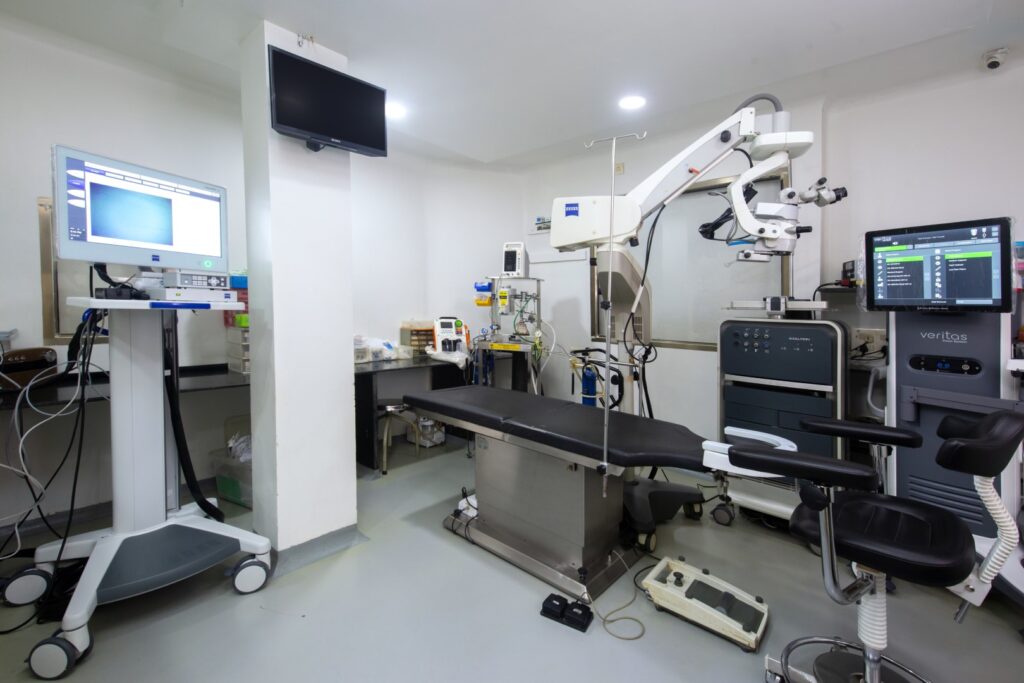
Vitreo-retinal surgery treats problems in the retina, the light-sensitive layer at the back of the eye, and the vitreous, the clear gel inside your eye. Conditions like retinal detachment, diabetic retinopathy, or macular holes may require surgery. These procedures aim to restore vision or prevent further vision loss using minimally invasive techniques.
What is Vitreo-Retinal Surgery?
- Sudden flashes of light or floaters
- A shadow or curtain-like effect in your vision
- Blurry or distorted central vision
- Trouble seeing in low light
- Sudden vision loss
- Wavy or bent lines in your field of vision
- Spots or black patches in vision


When to See a Doctor?
If you notice sudden vision changes, floaters, light flashes, or dark spots in your vision, it’s important to see an eye specialist right away. Early detection and timely surgery can prevent permanent vision loss in many retinal conditions.
Need help with your eyes?
Our Treatment Approach
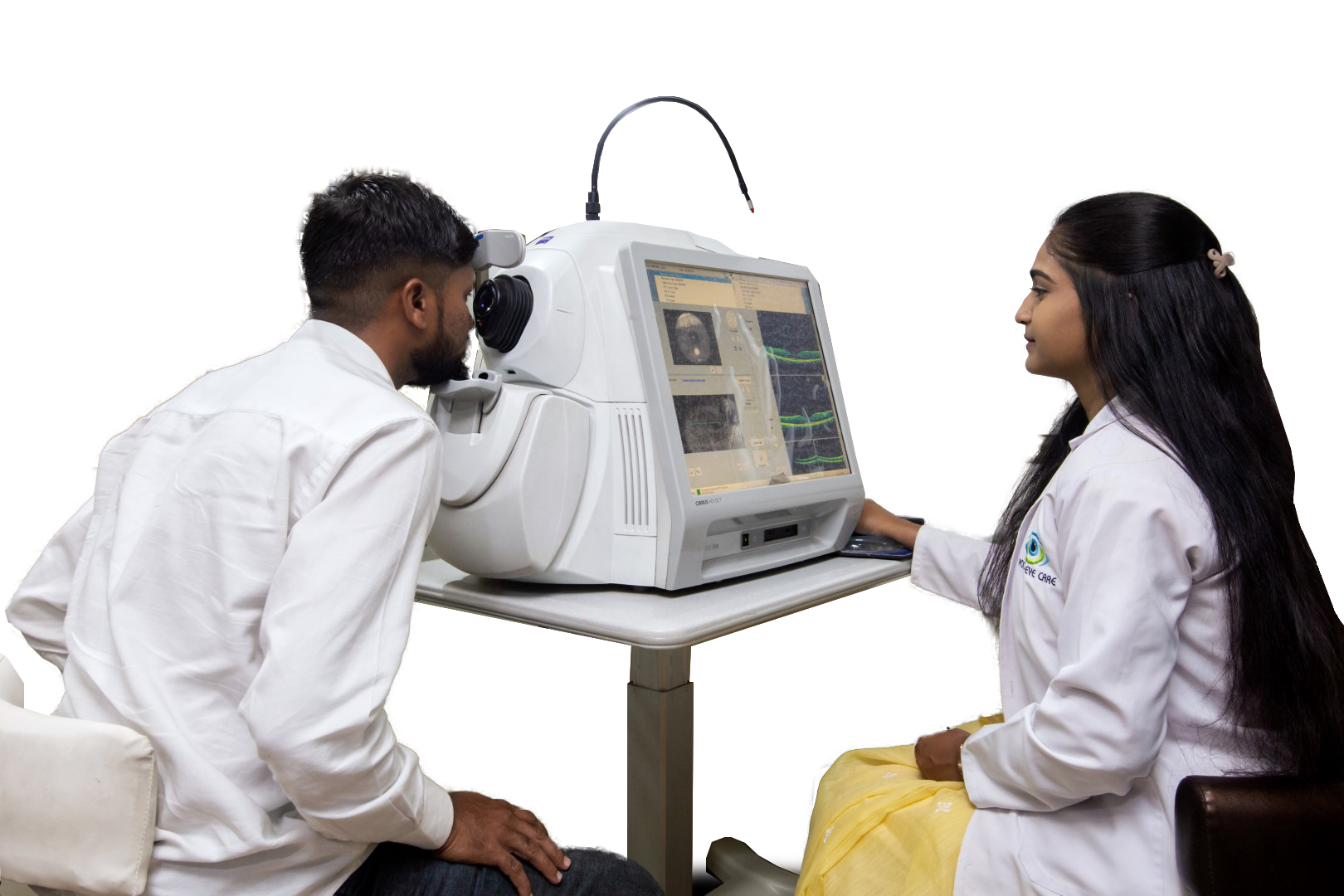
- We start our vitreo-retinal surgeries with a thorough diagnostic evaluation. We use modern imaging and examination methods to check the health of the retina and vitreous.
- This helps us identify issues like retinal detachment, complications from diabetic retinopathy, and vitreous hemorrhage.
- Based on our assessment, our skilled surgeons develop a personalized treatment plan using proven procedures to address your specific condition.
Chosen by Patients.
Trusted for Outcomes.
- Experienced retinal specialists with top-notch surgical skills.
- Precise diagnosis using the latest imaging tools.
- Modern techniques like vitrectomy and laser treatments.
- Minimally invasive procedures for faster recovery.
- Dedicated post-operative care and regular follow-ups.
- Trusted for effective treatment and long-term vision care.

FAQs
What are the conditions treated with Vitreoretinal Surgery?
- Retinal Detachment: The retina separates from its base. This can lead to blindness if not treated with surgery.
- Epiretinal Membrane: A thin layer of scar tissue forms on the retina, causing blurred vision. Surgery removes this layer.
- Macular Hole: This is a small break in the center of the retina. Most cases require surgery to restore vision.
- Vitreous Hemorrhage: This occurs when there is bleeding in the eye, usually due to diabetes. If it doesn’t clear on its own, surgery helps remove the blood and prevent further damage.
What are pre-surgery tests & precautions?
Since many patients have diabetes or heart or kidney conditions, tests like blood sugar, ECG, kidney function, and clotting profile are important. Doctors may need to stop blood thinners before surgery.
What are types of Vitreoretinal Surgery?
Vitrectomy: This removes the vitreous gel to access and treat the retina.
- Anterior vitrectomy (for the front part of the eye)
- Pars plana vitrectomy (for deep retinal issues such as tears or detachments)
Retinal Detachment Repair:
- Scleral buckle (a silicone band is used to support the retina)
- Laser photocoagulation or cryotherapy to seal retinal tears
- Pneumatic retinopexy (a gas bubble is used to press the retina in place)
Macular Hole Repair: This is often done with vitrectomy and internal gas tamponade.
Advanced Surgical Options:
- Posterior sclerotomy (access to the back of the eye)
- Macular translocation or optic neurotomy (for rare cases)
What is vitreoretinal surgery?
Vitreoretinal surgery is a specialized eye surgery used to treat diseases affecting the retina and vitreous (the gel-like substance inside the eye).
When is vitreoretinal surgery recommended?
It may be recommended for retinal detachment, diabetic retinopathy, macular holes, epiretinal membranes, and vitreous hemorrhage.
What symptoms indicate a retinal problem?
Sudden flashes of light, floaters, blurred vision, distorted vision, or a curtain-like shadow over your vision require immediate evaluation.
Is vitreoretinal surgery painful?
The procedure is usually performed under local or general anesthesia, ensuring minimal discomfort during surgery.
Will I need to stay in the hospital after surgery?
Many vitreoretinal procedures are performed as day-care surgeries, though some patients may require short observation periods.
What is the recovery period after vitreoretinal surgery?
Recovery varies depending on the procedure and condition, but vision may continue improving over several weeks or months.
What is a gas bubble and why is it used during retinal surgery?
A gas bubble may be placed inside the eye to support retinal healing and help keep the retina in position after surgery.
Will I need to maintain a special head position after surgery?
Some retinal procedures require specific head positioning for several days to ensure optimal healing.
Can I travel by air after retinal surgery?
Air travel should be avoided if a gas bubble has been placed in the eye, as changes in air pressure can be dangerous.
What are the risks associated with vitreoretinal surgery?
As with any surgery, risks may include infection, bleeding, cataract progression, retinal re-detachment, or changes in eye pressure.
How successful is vitreoretinal surgery?
Success rates are generally high, especially when retinal conditions are diagnosed and treated promptly.