
ICL Surgery
Advanced Vision Correction
for High Power Eyes
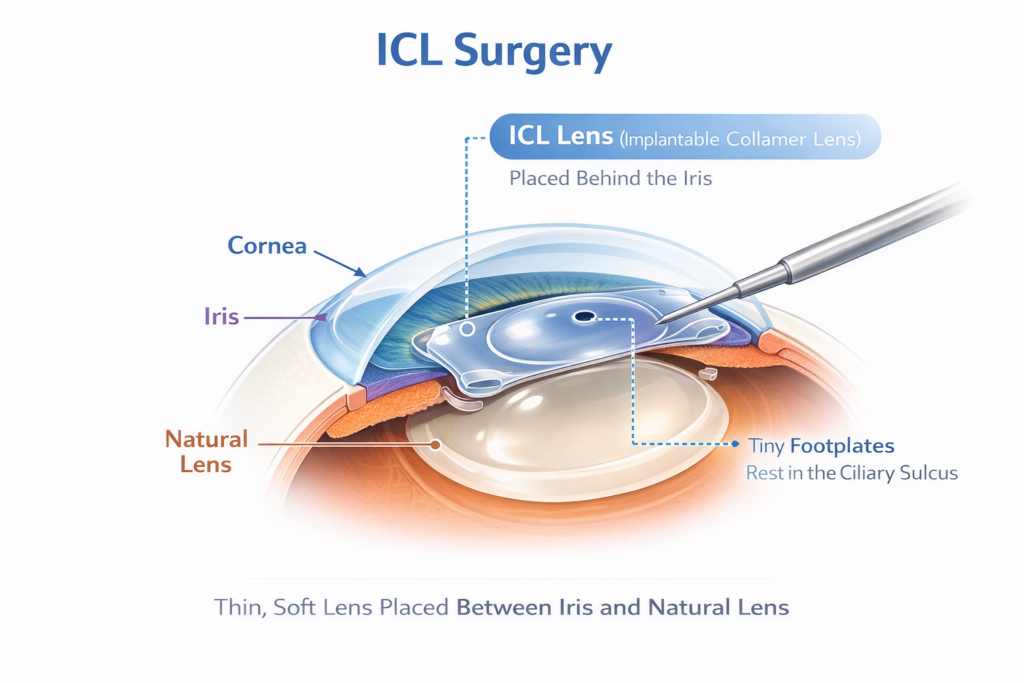
What is ICL Surgery?
ICL surgery is a vision correction procedure where a special lens is placed inside the eye to correct refractive errors such as Hyperopia, Myopia and Astigmatism. Unlike laser surgeries, the natural cornea is not reshaped. The lens is positioned behind the coloured part of the eye (iris) and in front of the natural lens, allowing light to focus correctly on the retina and deliver sharp, clear vision.
Vision Issues You Might Notice
- Difficulty seeing distant objects clearly
- Very high spectacle or contact lens power
- Eye strain or headaches
- Poor night vision
- Ineligibility for LASIK or PRK
- Dependence on thick glasses


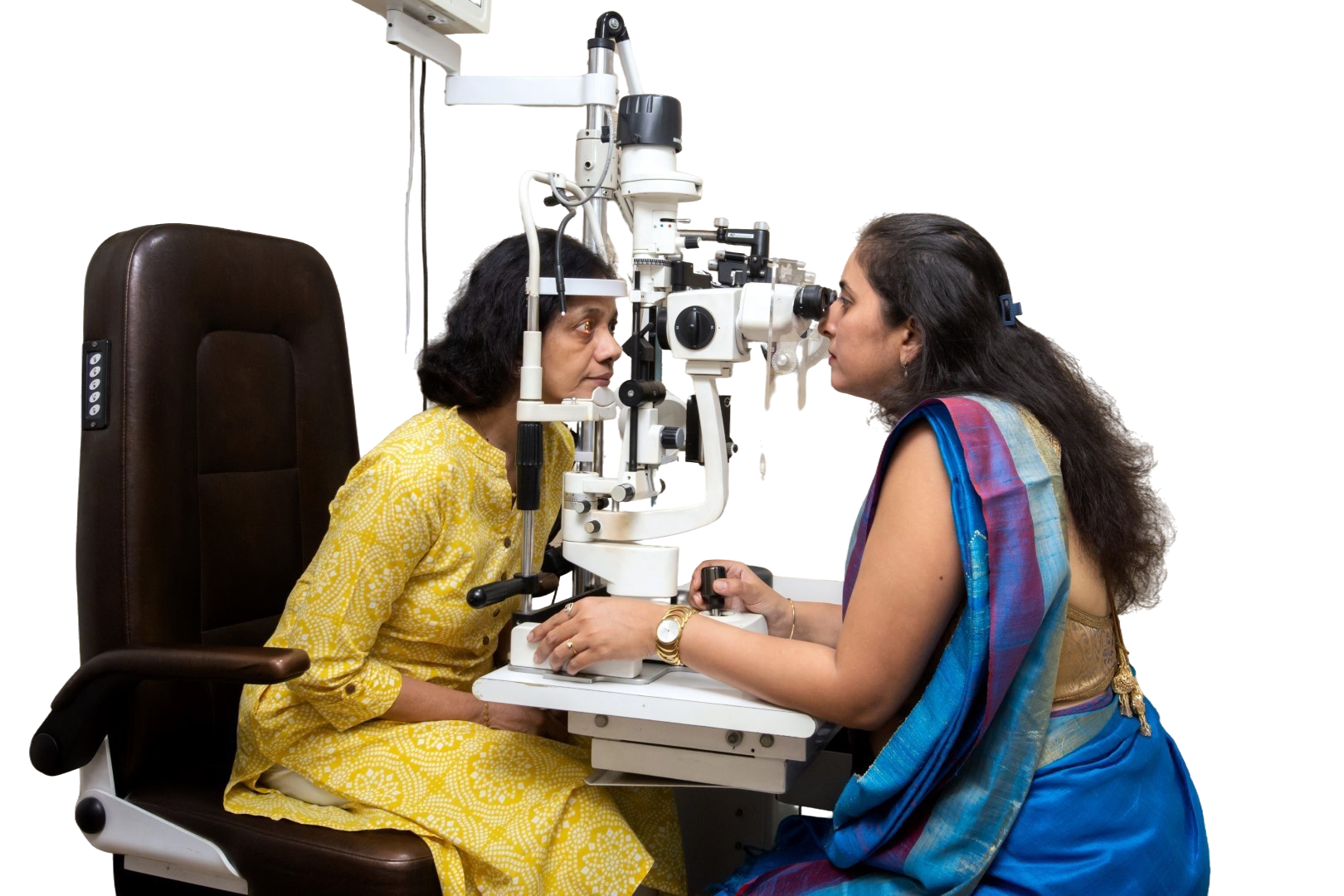
When to See a Doctor?
If your vision problems limit daily activities or you’ve been told you are not suitable for laser surgery, an eye evaluation is recommended. Early consultation helps identify the safest and most effective correction method.
Need help with your eyes?
Our Treatment Approach
At Poona Eye Care, ICL treatment begins with a detailed eye assessment. This includes checking prescription stability, corneal thickness, eye pressure, and overall eye health.
- Eligible patients are treated using the latest EVO ICL technology, which allows smooth lens implantation without the need for additional laser steps.
- Surgery is performed by experienced surgeons in a sterile, controlled environment, followed by structured post-procedure care to ensure smooth recovery.

Before Surgery
- Complete eye examination and measurements
- Temporary discontinuation of contact lenses
- Medical review and counselling
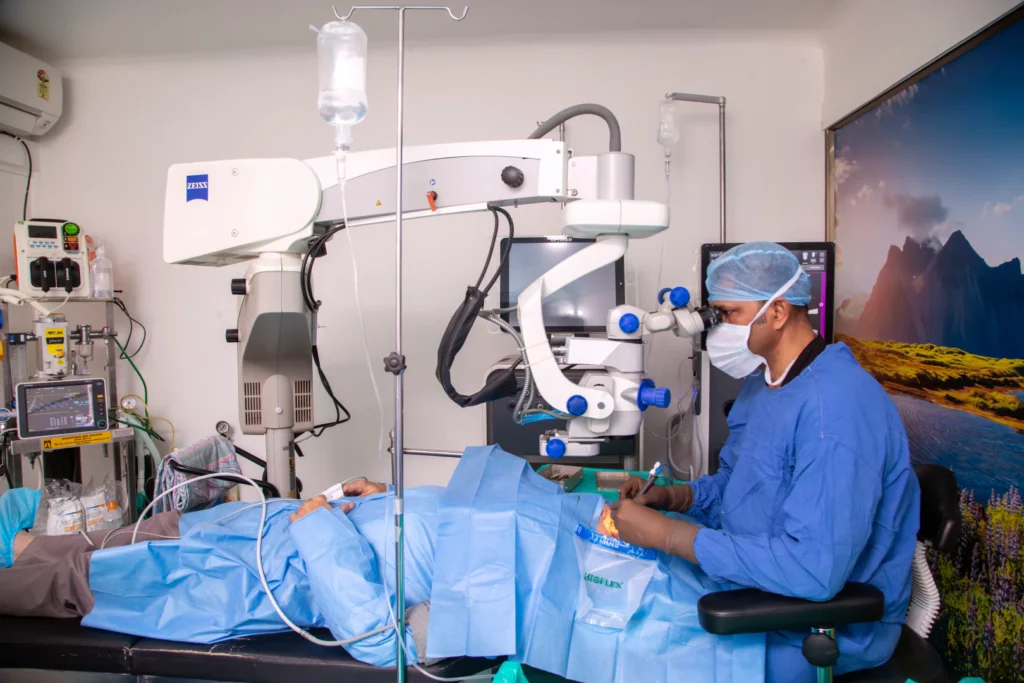
During Surgery
- Numbing eye drops ensure comfort
- A tiny incision is made
- The lens is gently placed inside the eye
- Procedure is quick and usually completed in one session
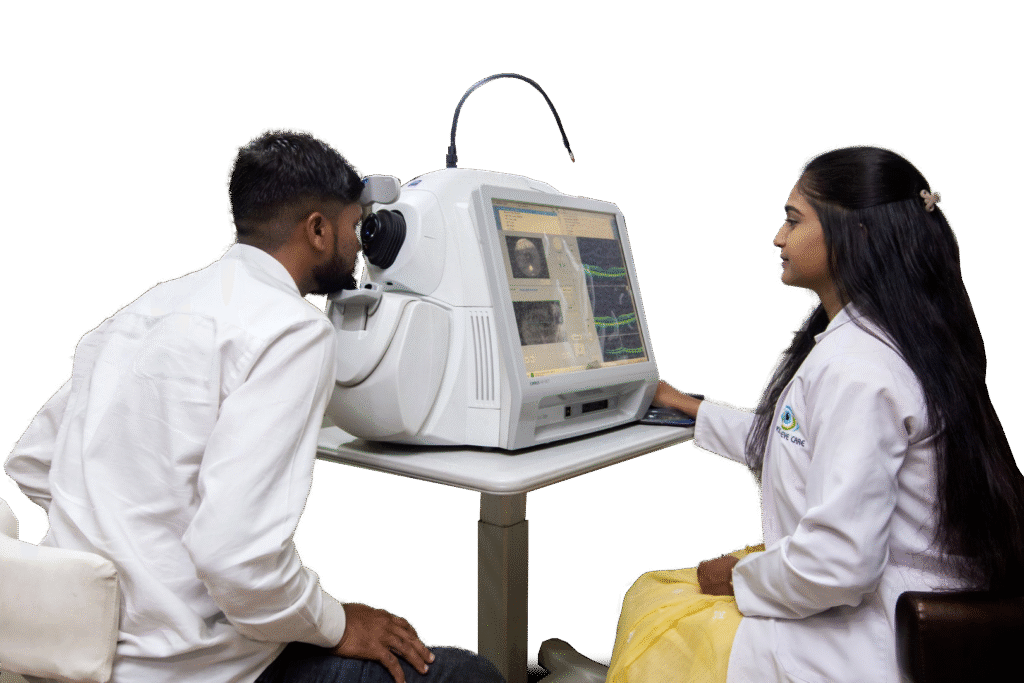
After Surgery
- Vision improves rapidly, often within 24 hours
- Mild discomfort or light sensitivity may occur briefly
- Regular follow-ups ensure healing and stability
Benefits and Possible Risks
Benefits of ICL Surgery
- Suitable for thin corneas and high prescriptions
- Reversible and adjustable if required
- Quick recovery with minimal discomfort
- Long-term and stable vision correction
- Natural vision quality and comfort
Possible Risks (Rare)
- Temporary inflammation or infection
- Raised eye pressure requiring monitoring
- Visual disturbances like glare in some cases
- Prescription changes over time
With proper screening and expert care, these risks are uncommon and manageable.
Preparation Before Surgery
- Stop wearing contact lenses a few days prior
- Attend a detailed eye evaluation
- Arrange assistance for travel after surgery
- Follow all pre-procedure instructions advised by your doctor
Based on your insurance coverage and policy terms, this procedure may be eligible for insurance support.*
Chosen by Patients.
Trusted for Outcomes.
- Experienced surgeons in advanced refractive procedures
- Detailed eligibility screening for safe outcomes
- Latest EVO ICL technology
- No corneal cutting or reshaping
- Personalised care before and after surgery
- Transparent guidance and trusted patient care
FAQs
Is ICL surgery painful?
The procedure is comfortable as numbing drops are used.
How long does the surgery take?
Usually under 15 minutes for both eyes.
When will my vision improve?
Most patients notice improvement within 24 hours, with full clarity over a few days.
Can the lens be removed later?
Yes, ICL is reversible if required.
Who can undergo ICL surgery?
Adults with stable prescriptions, especially those unsuitable for laser surgery, may be eligible after evaluation.
Will this surgery be covered under my insurance?
Insurance
Vision correction procedures are usually elective. Our team assists patients in understanding reimbursement possibilities where applicable.
Easy Payment Options
Affordable EMI plans are available starting from ₹5,000/month, making treatment accessible for students, professionals, and families.
What vision problems can ICL surgery correct?
ICL surgery is primarily used to correct moderate to high myopia (nearsightedness), and in many cases, astigmatism. It is often recommended for patients who may not be suitable candidates for laser vision correction procedures.
How is ICL surgery different from LASIK?
Unlike LASIK, which reshapes the cornea using a laser, ICL surgery involves implanting a thin, biocompatible lens inside the eye. The cornea remains largely untouched, making ICL a suitable option for patients with thin corneas or high prescriptions.
Am I too old or too young for ICL surgery?
ICL surgery is typically recommended for adults whose vision prescription has remained stable for at least a year. Eligibility depends on factors such as age, eye health, prescription strength, and overall suitability determined during a comprehensive eye examination.
What should I do to prepare for ICL surgery?
Your surgeon may advise you to stop wearing contact lenses for a specified period before evaluation and surgery. You may also undergo detailed eye measurements and be asked to avoid certain medications if necessary.
Will I feel the lens inside my eye after surgery?
No, patients generally cannot feel the implanted lens. Once positioned correctly behind the iris, the lens becomes a natural part of the eye's optical system and is not noticeable during everyday activities.
What are the possible risks or side effects of ICL surgery?
As with any surgical procedure, there are potential risks, including infection, increased eye pressure, glare, halos, cataract formation, or inflammation. However, serious complications are uncommon when surgery is performed by an experienced eye surgeon.
How long do ICL lenses last?
ICL lenses are designed to be a long-term vision correction solution and can remain in the eye indefinitely. Regular eye examinations are important to ensure ongoing eye health and lens performance.
Can ICL surgery be performed in both eyes on the same day?
In many cases, both eyes can be treated on the same day, depending on the surgeon's recommendation and the patient's individual circumstances. Your doctor will discuss the most appropriate treatment plan for you.
How soon can I return to normal activities after ICL surgery?
Most patients can resume routine daily activities within a few days after surgery. However, activities such as swimming, heavy lifting, and contact sports may need to be avoided temporarily to allow proper healing.