
Oculoplasty and Tear Drainage Treatment
Comprehensive solutions for eyelid, orbit, and tear drainage conditions

What is Oculoplasty
and Tear Drainage Treatment?
Oculoplasty is a specialized field of eye care that focuses on cosmetic and functional issues involving the eyelids, tear ducts, and surrounding tissue. It addresses conditions like eye injuries, drooping eyelids, blocked tear ducts, excess skin on the eyelids, and other cosmetic concerns. These procedures not only enhance the eyes’ natural appearance but also improve their function.
Cataract Symptoms You Might Notice
- Constant watering from the eyes
- Frequent eye infections
- Swelling near the corners of the eyes
- Irritation or redness in the eyes
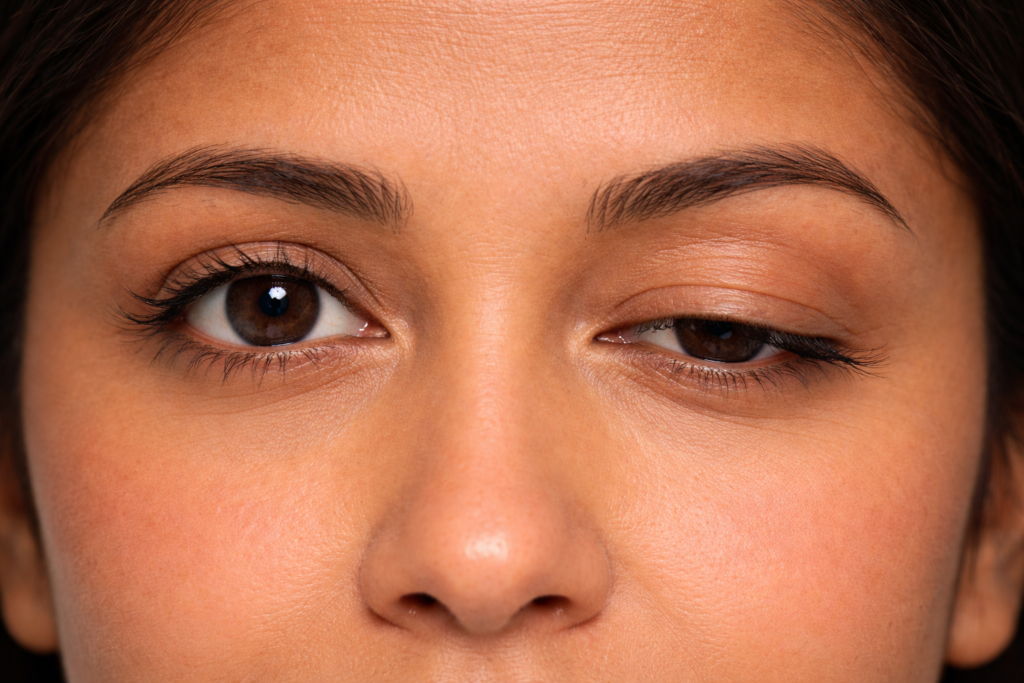
- Drooping or uneven eyelids
- Difficulty closing the eyes fully
- Sudden change in eyelid position

When to See a Doctor?
If you have ongoing watering, infections, or any noticeable changes around your eyes or eyelids, it’s a good idea to see an eye specialist. Getting treatment early can help prevent complications and improve both comfort and appearance.
Need help with your eyes?
Our Treatment Approach
- Oculoplasty cosmetic correction at our specialized center focuses on conditions affecting the eyelids, tear ducts, and eye sockets. We aim to restore function and improve appearance.
- Our skilled oculoplastic surgeons handle problems such as droopy eyelids (ptosis), eyelids turning inward or outward (entropion/ectropion), blocked tear ducts, eyelid growths or tumors, and disorders of the eye socket.
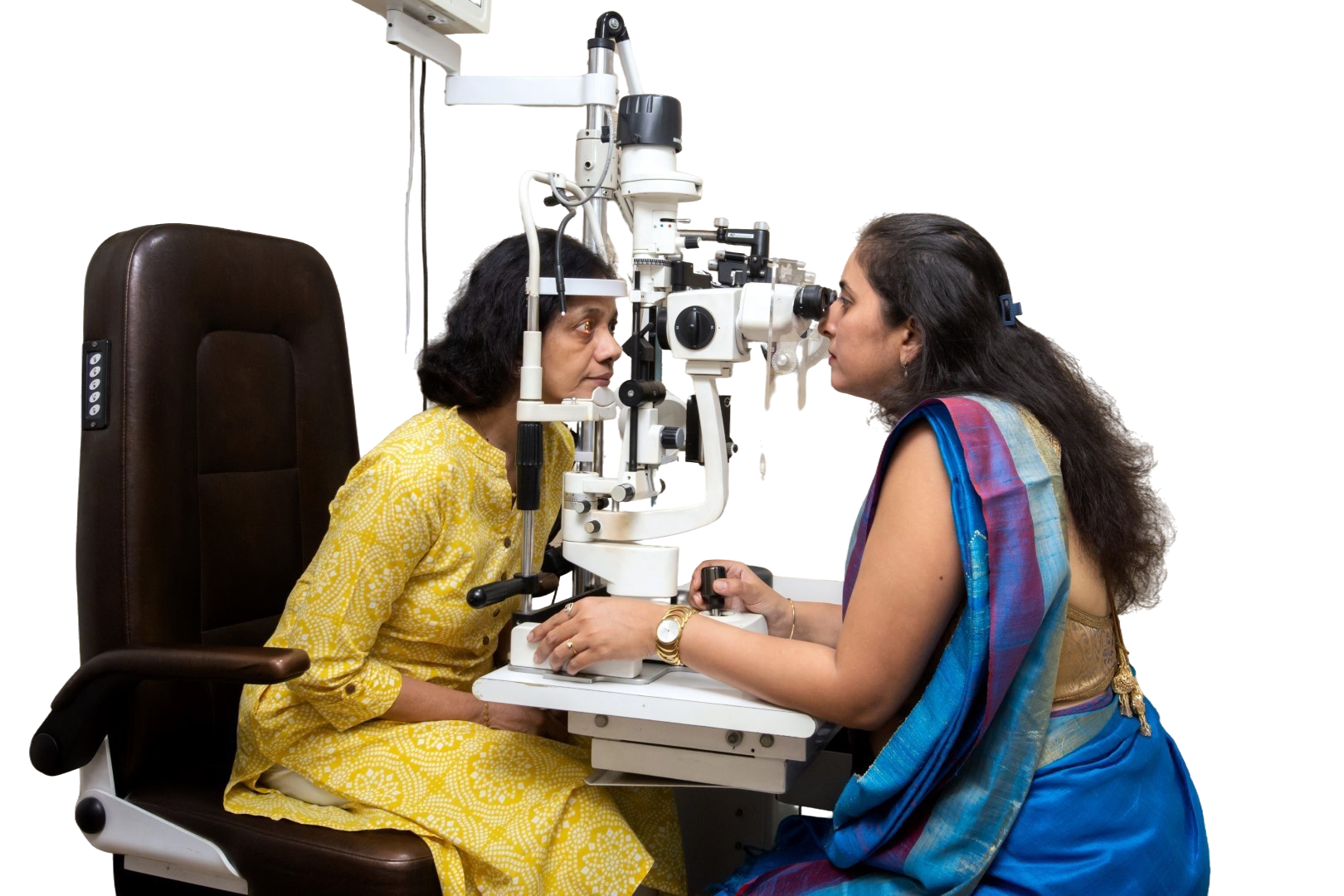
- We start with a precise diagnosis, often using a slit lamp exam and clinical evaluation, to identify the necessary corrective procedure.
Chosen by Patients.
Trusted for Outcomes.
- Expert oculoplastic surgeons with experience in eyelid and tear duct correction
- A full range of services: from non-surgical probing to laser DCR for blocked tear ducts
- Trusted surgical care for eyelid malpositions, orbital disorders, and eyelid tumors
- State-of-the-art facilities and technology designed for precise treatment
- Dedicated follow-up to track progress and prevent complications
- A family-friendly approach that focuses on both function and appearance

FAQs
What is a Blocked Tear Duct?
A blocked tear duct occurs when the drainage system for your tears is blocked or narrowed. This leads to watery, irritated, or infected eyes, as tears cannot drain properly.
What Causes Blocked Tear Ducts?
- In Babies: This condition often appears at birth due to underdeveloped ducts.
- In Adults: It can result from aging, injuries, trauma to the nose, infections, nasal growths (polyps), or side effects from cancer treatment.
What are the treatment options for blocked tear ducts ?
Non-Surgical
- Massage: Gentle pressure can help open the duct, particularly in infants.
Surgical
- Tear Duct Probing: A thin probe is used to clear the blockage.
- Balloon Dilation: A balloon is used to widen the duct.
- Intubation: Tiny tubes maintain the duct’s openness for 3 to 6 months.
- Dacryocystorhinostomy (DCR): This procedure creates a new pathway for tears to drain into the nose.
- Laser DCR: This laser-based version of DCR results in minimal scarring and faster recovery.
Why Early Treatment Matters?
If left untreated, blocked tear ducts can lead to frequent infections and even vision loss. Getting timely medical help can prevent complications.
Who Can Get This Condition?
Tear duct issues can affect anyone, from newborns to elderly people. Birth defects, infections, injuries, and aging-related changes are among the causes.
What are the symptoms of a blocked tear duct?
Common symptoms include excessive watering of the eyes, recurrent eye infections, discharge, redness, and swelling near the inner corner of the eye.
How is a blocked tear duct diagnosed?
An eye specialist can diagnose the condition through a detailed examination and, if necessary, specialized tests to assess tear drainage.
Can a blocked tear duct clear up on its own?
In some infants, blocked tear ducts may resolve naturally. In adults, medical evaluation is recommended to determine the appropriate treatment.
Is excessive tearing always caused by a blocked tear duct?
No. Excessive tearing can also result from dry eyes, allergies, infections, or other eye conditions.
Is blocked tear duct treatment painful?
Most treatments are minimally invasive and performed under local or general anesthesia to ensure patient comfort.
What is DCR surgery (Dacryocystorhinostomy)?
DCR is a procedure that creates a new pathway for tears to drain from the eye into the nose, bypassing the blockage.
How long does blocked tear duct surgery take?
The procedure typically takes 30–60 minutes, depending on the complexity of the blockage.
What is the recovery time after DCR surgery?
Will I need to stay in the hospital after treatment?
Most blocked tear duct procedures are performed as day-care surgeries, allowing patients to return home the same day.
Can blocked tear ducts recur after treatment?
Recurrence is uncommon, but regular follow-up visits help ensure long-term success.
Are there non-surgical treatments for blocked tear ducts?
Depending on the cause, medications, massage techniques, or minor procedures may be recommended before surgery.
When should I consult an eye specialist for watery eyes?
If tearing is persistent, affects daily activities, or is associated with pain, swelling, or discharge, you should seek professional evaluation.